Most safari packing lists are copied from each other and padded out to look thorough. This is the shorter, more specific version we actually hand guests before departure.
Neutral tones — khaki, olive, sand, muted green — are the standard advice, and it's correct: bright colors and pure white can spook wildlife and show dust badly. The detail most lists skip is that dark blue and black should be avoided specifically around Tarangire and the Katavi/Tabora corridor, where tsetse flies are drawn to dark colors. You don't need dedicated "safari brand" clothing — quick-dry hiking or travel clothes in the right palette work fine.
Speak to a travel clinic 4–6 weeks before departure about malaria prophylaxis and yellow fever requirements — Tanzania requires proof of yellow fever vaccination if you're arriving from a country with risk of transmission.
Guests consistently overpack: multiple pairs of jeans (heavy, slow to dry, too warm for game drives), hardshell suitcases (soft duffels pack better into safari vehicles and small aircraft for fly-in trips), and elaborate camera setups they don't already know how to use. If photography is a priority, bring a zoom lens you're comfortable operating quickly — a 100–400mm equivalent covers most sightings.
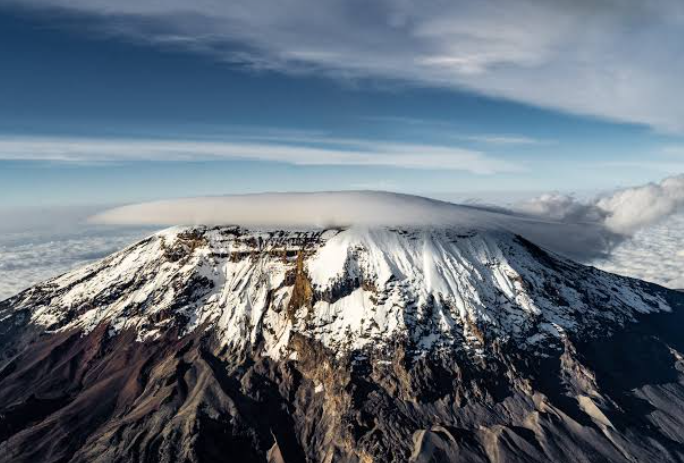
This needs a genuinely separate kit — insulated layers, a 4-season sleeping bag, proper trekking boots already broken in, and trekking poles. We provide a dedicated Kilimanjaro packing list once your climb is booked, since the requirements are specific enough that a generic safari list won't cover them properly.
Reef-safe sunscreen specifically (standard sunscreen is now restricted at some marine park sites), a light cover-up for modest dress in Stone Town, and water shoes for the rockier stretches of reef at low tide.
If in doubt, pack less. Almost every guest who overpacks tells us the same thing on day three: they wish they'd brought half of it.
 Mihayo's Safaris