There is no single "best month" for Tanzania — there's a best month for what you're after. Here's how the calendar actually breaks down, region by region.
June through October is Tanzania's long dry season and the safest bet for most first-time visitors: good roads, reliable game viewing, and — in the second half of that window — the Mara River crossings. December through March is calving season in the southern Serengeti, with predator action to match. April and May are the quiet, cheap, green months, and they're better than their reputation suggests if you don't mind the odd muddy road.
Tanzania's weather doesn't move in a straight line the way temperate seasons do — it's driven by two rainy seasons (the "long rains" of April–May and "short rains" of November) sitting on either side of the dry months. Plan around those two windows first.
The short rains have passed and the southern Serengeti and Ndutu plains turn into calving grounds — around 8,000 wildebeest calves are born here daily at the February peak. It's also when the predator-to-prey drama is at its most concentrated: newborn calves draw lion, cheetah, and hyena into tight, visible hunting grounds. Skies are mostly clear, days are hot, and this is one of the better windows for photography light. It overlaps with the Northern Hemisphere winter, so it's also a popular (if less crowded than July–September) travel period.
This is the quietest, cheapest stretch of the year, and for good reason: expect afternoon downpours most days, and some remote southern-circuit roads (Ruaha, Nyerere) can become genuinely difficult. That said, the landscape turns a deep green that photographs beautifully, bird life is at its peak with migratory species present, and lodges drop rates by 20–40%. If your schedule is flexible and you don't mind rain breaks in the itinerary, this is when Tanzania feels least like a tourist destination.
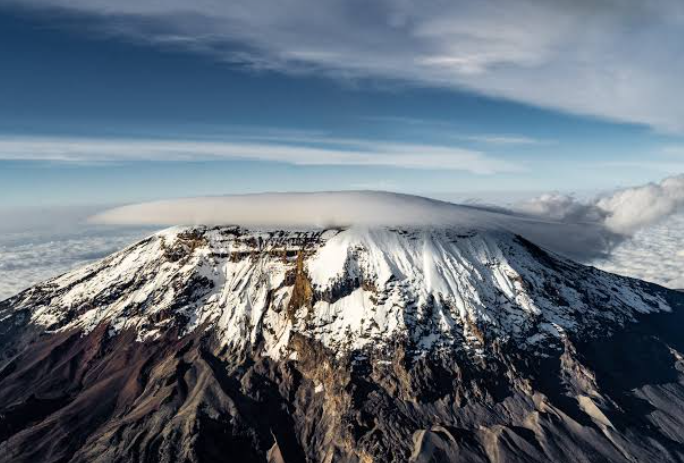
This is peak season for a reason. Vegetation thins out, animals cluster around remaining water sources, and visibility is at its best across every park. From July onward, the wildebeest migration typically reaches the northern Serengeti and the Mara River, producing the crossing scenes most people picture when they think "Tanzania safari." It's also the best window for Kilimanjaro (clear summit weather, lower precipitation) and for the southern circuit parks like Ruaha, which are genuinely difficult to visit well outside this period. The trade-off: this is when prices peak and camps book out 6–9 months ahead.
| Window | Best for | Trade-off |
|---|---|---|
| Jan – Mar | Calving season, predator action, Kilimanjaro | Can be hot; short rains can arrive early some years |
| Apr – May | Low prices, green scenery, birding | Some roads difficult; afternoon rain most days |
| Jun – Oct | Game viewing, river crossings, Kilimanjaro, southern circuit | Peak prices; book 6–9 months ahead |
| Nov | Short, usually light rains; quieter | Less predictable than the long rains |
Often just a few weeks of afternoon showers rather than the sustained downpours of April–May. The migration is typically moving back south through this period, landscapes are greening up again, and it's a reasonable shoulder-season option if your dates are fixed and happen to fall here.
The honest answer to "when should I go" is usually: tell us what you want to see, and we'll tell you the month — not the other way around.
If you tell us your travel window when you get in touch, we'll tell you honestly whether it's a strong month for what you want — or whether shifting by a few weeks would make a real difference.

 Mihayo's Safaris